Sussex Military Research Projects
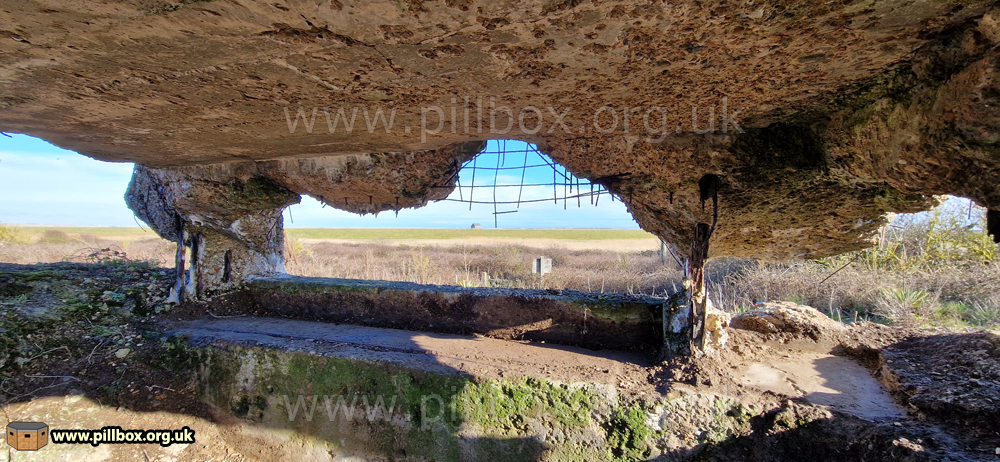
Pillbox excavation
Project ID: SMR1056
Location: Rye Harbour, East Sussex
Project date: 2023
Periods:
Partners:
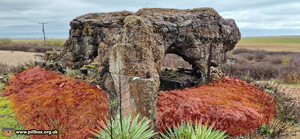
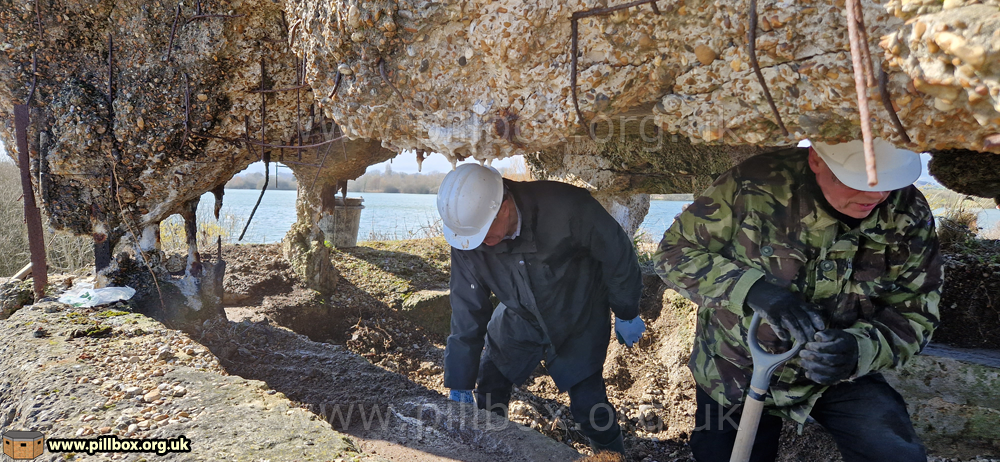
Description: This ruined pillbox stands on private land on the beach at Rye Harbour, but what is its story? Why is it so badly damaged? Sussex Military Research teamed up with the Rye Harbour Nature Reserve's 'Discover Rye Harbour' history group volunteers to try and find out.
Our first stop was the archive documents; although we have records that place our pillbox in the 1940 landscape, we couldn't find any reference as to how/why/when the damage was inflicted. Was it used for target practice or demolitions training during the war, or perhaps it was a failed attempt to remove it post war?
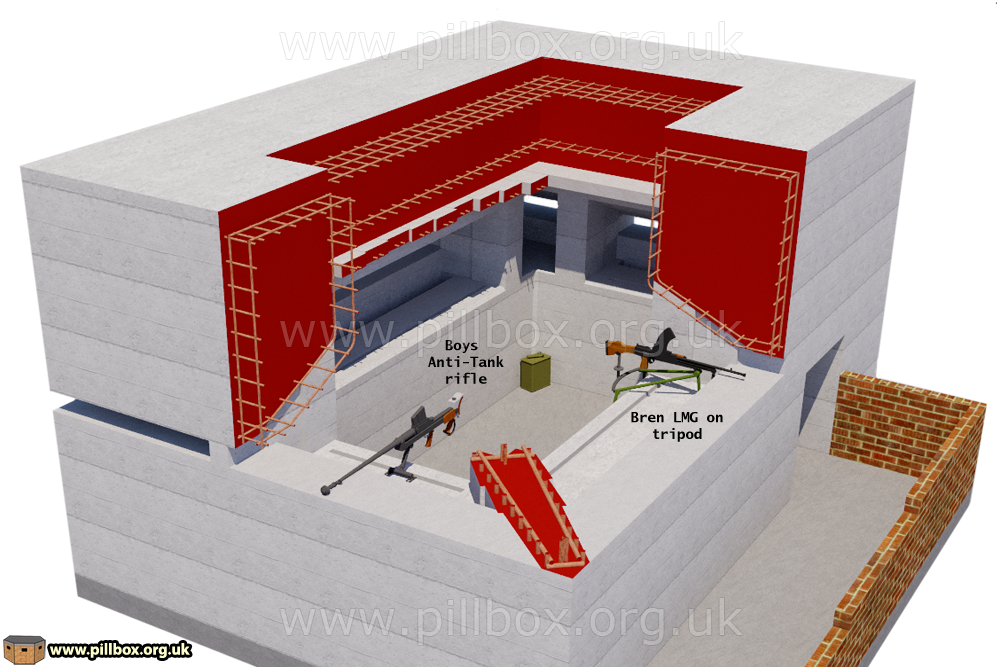
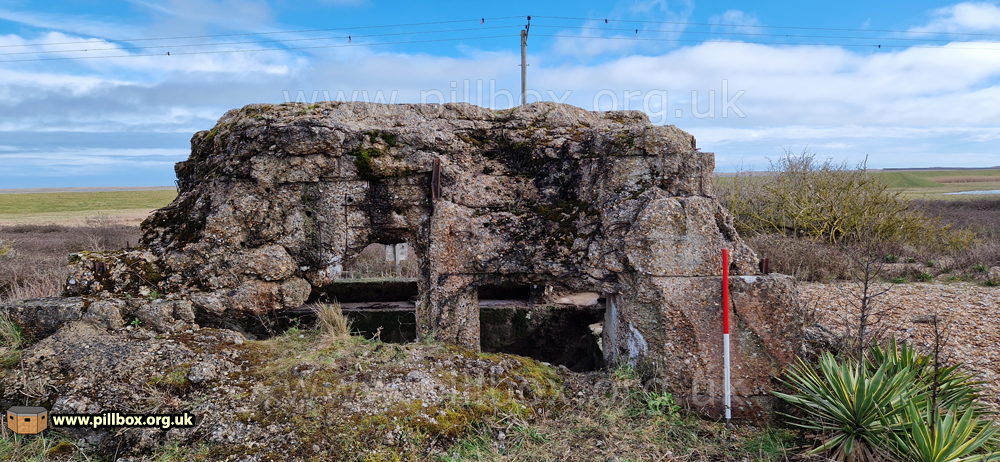
A previous visit had established that our pillbox was of a design peculiar to the Rye area, designed to accommodate the Bren gun on its tripod and the Boys anti-tank rifle using troughs cast into the walls.
Talking to the landowner gave us a few clues; the family had acquired the land in 1956 and the pillbox was already ruinous at this time. No work has been done on the pillbox by them since that date, aside from a couple of generations of children playing in it and building up piles of rubble in some of the holes in the walls. The story passed down was that the damage had been done by "bazookas", possibly by prisoners of war during the immediate post-war clean up. We discounted the PoW theory for obvious reasons (PoWs had, however, built the road from the Rye Harbour car park to the beach in 1946, so that may be where this comes from). We kept the "bazookas" idea in mind as we began to clean out the interior.
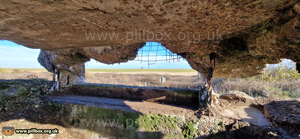
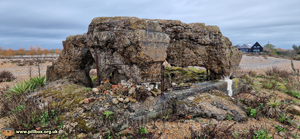
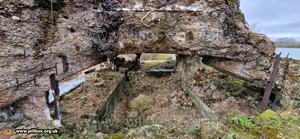
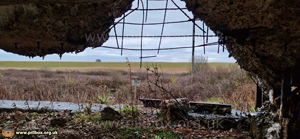
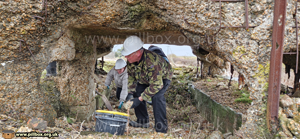
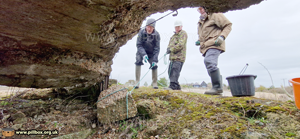
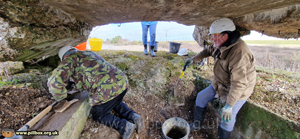
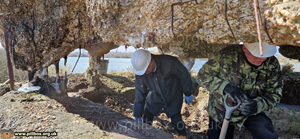
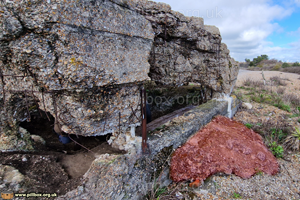
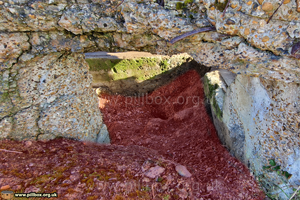
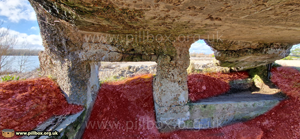
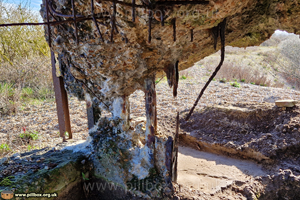
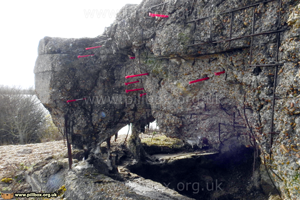
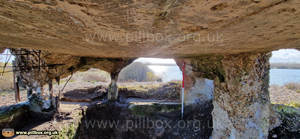
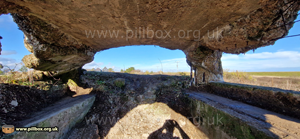
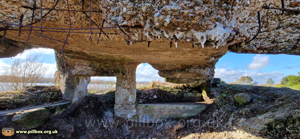
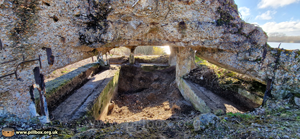
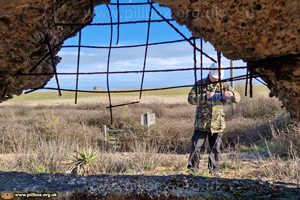
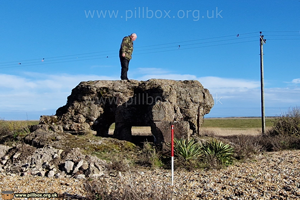
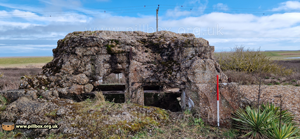
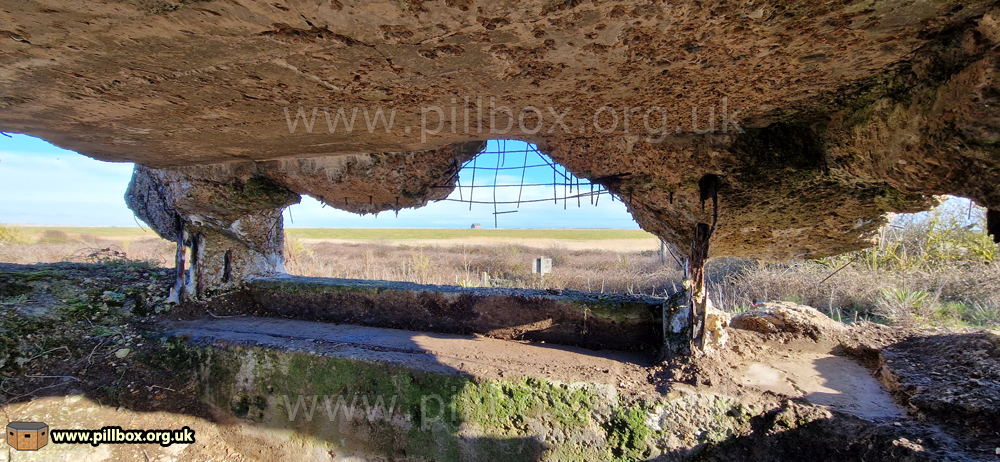
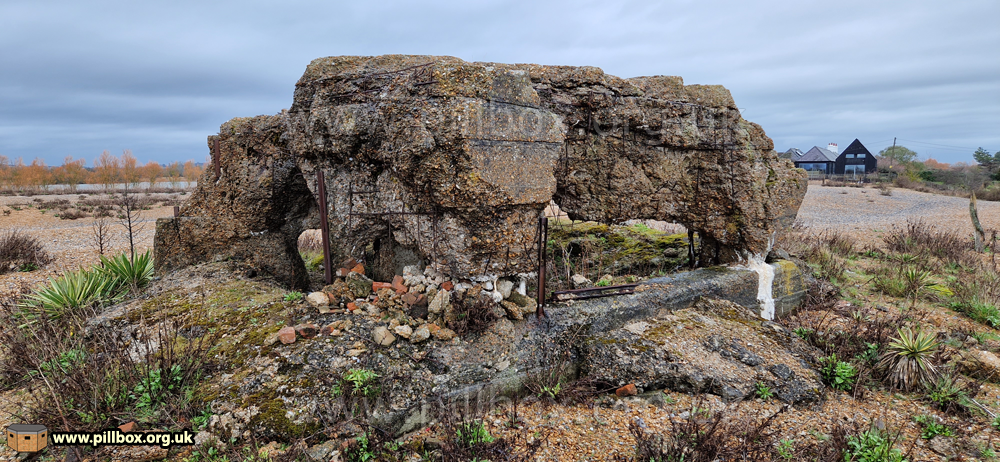
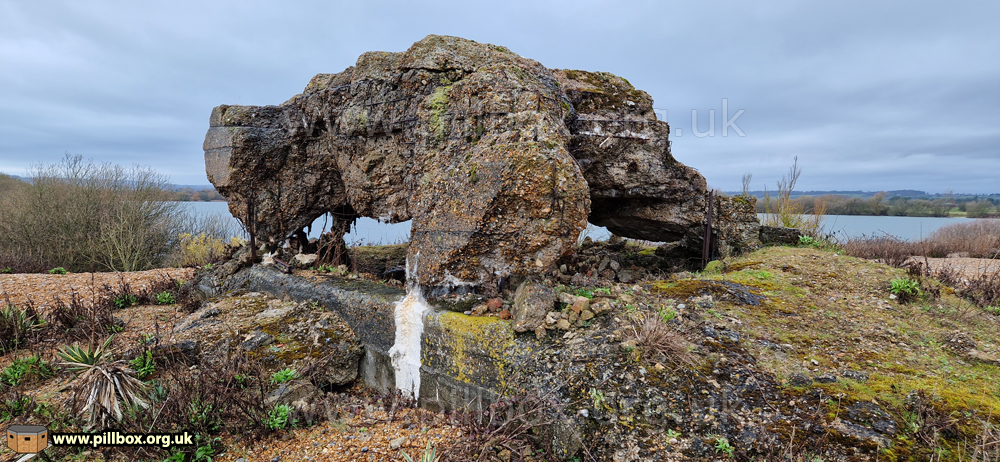
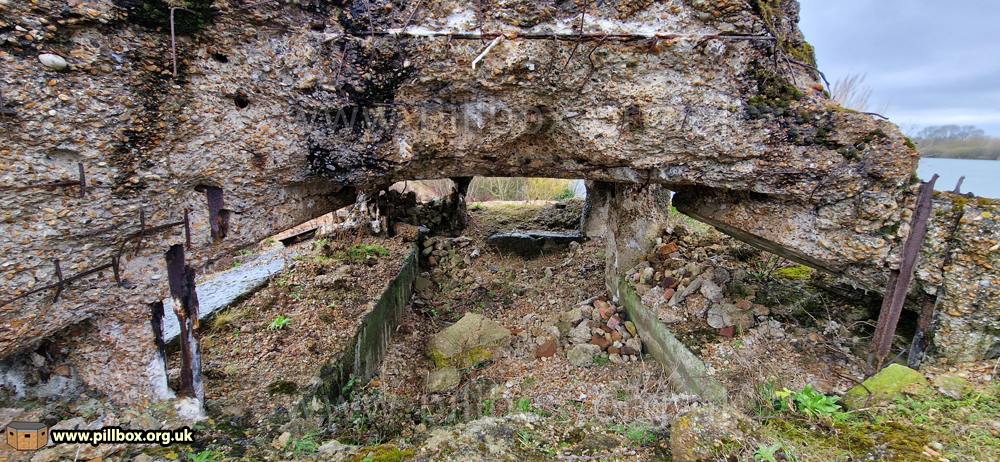
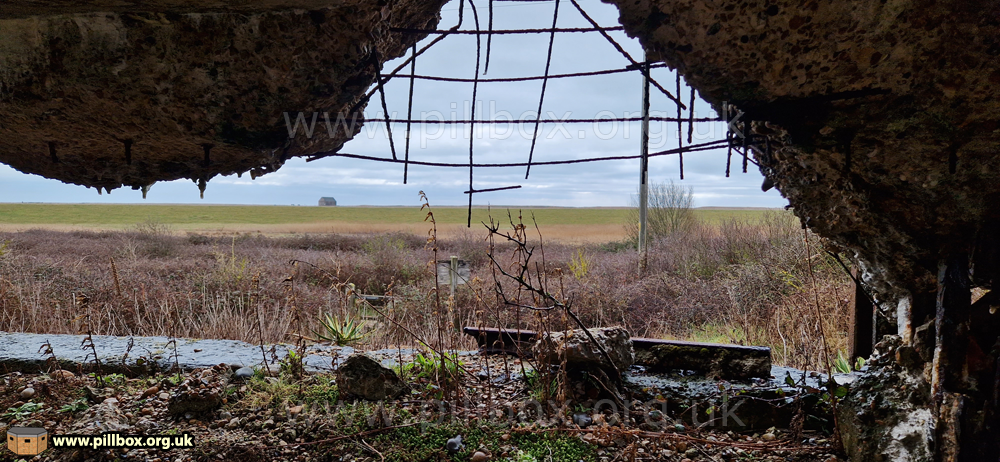
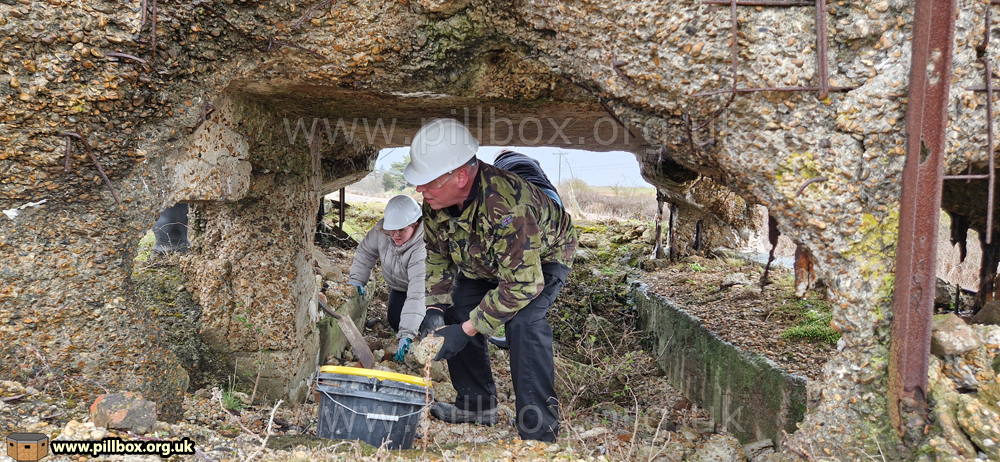
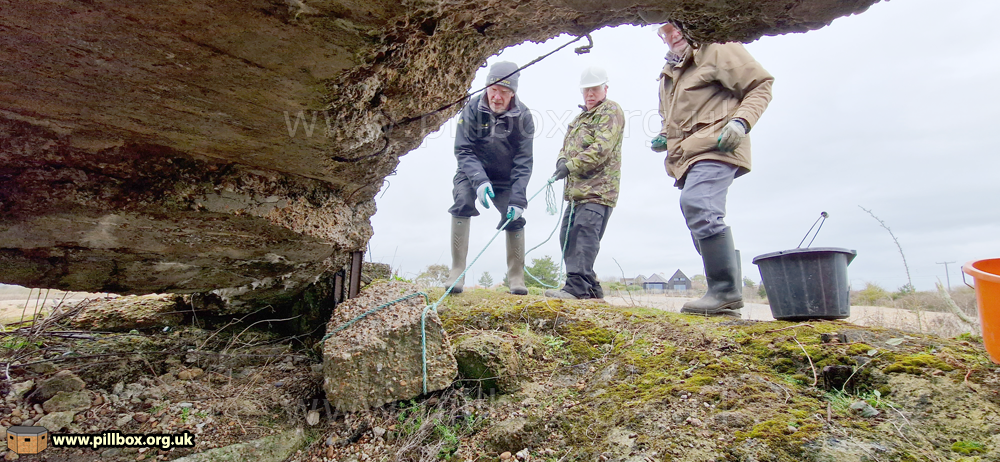
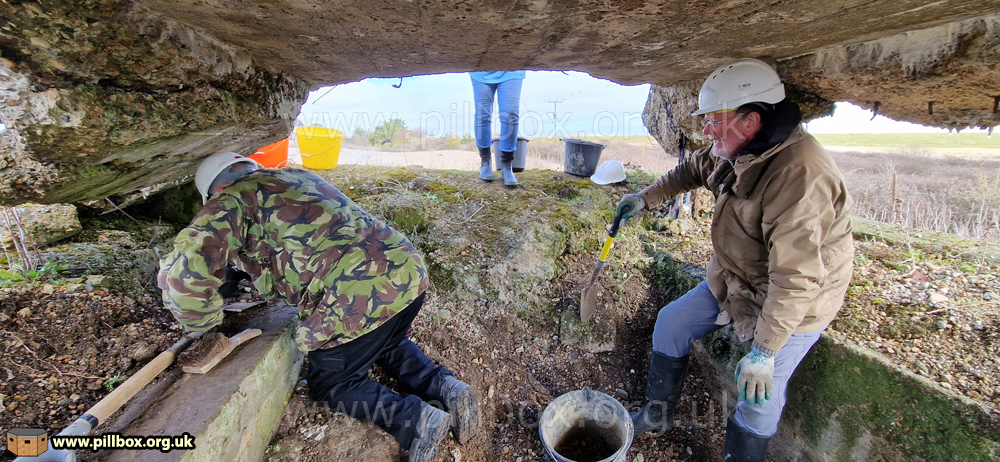
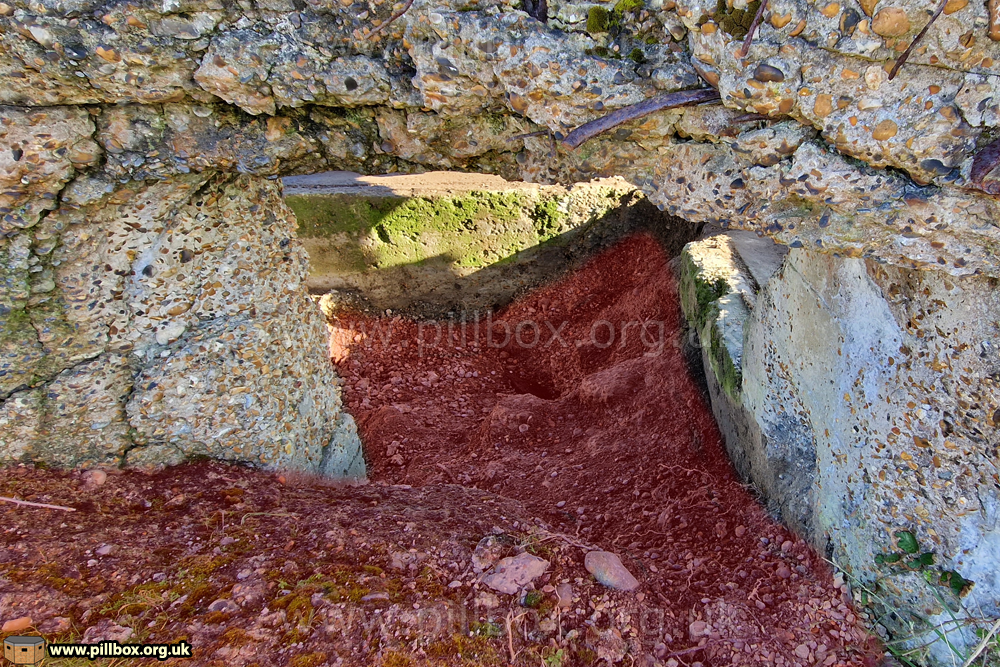
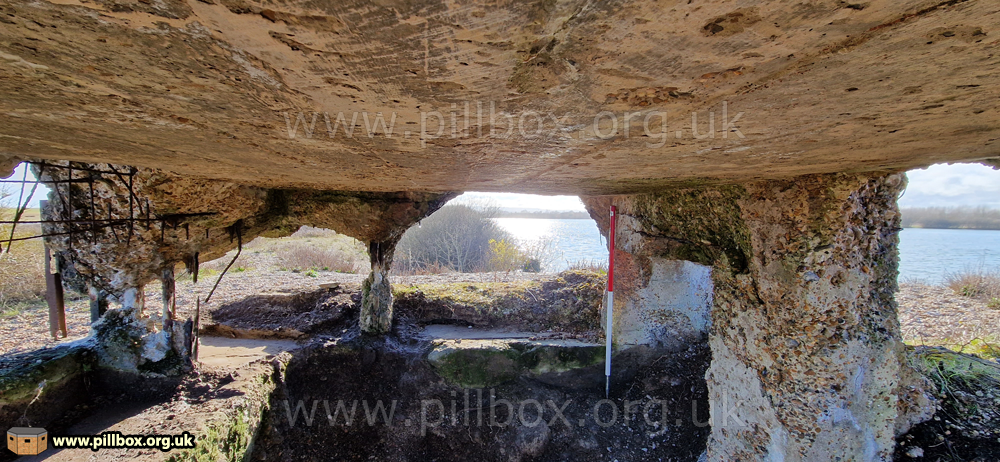
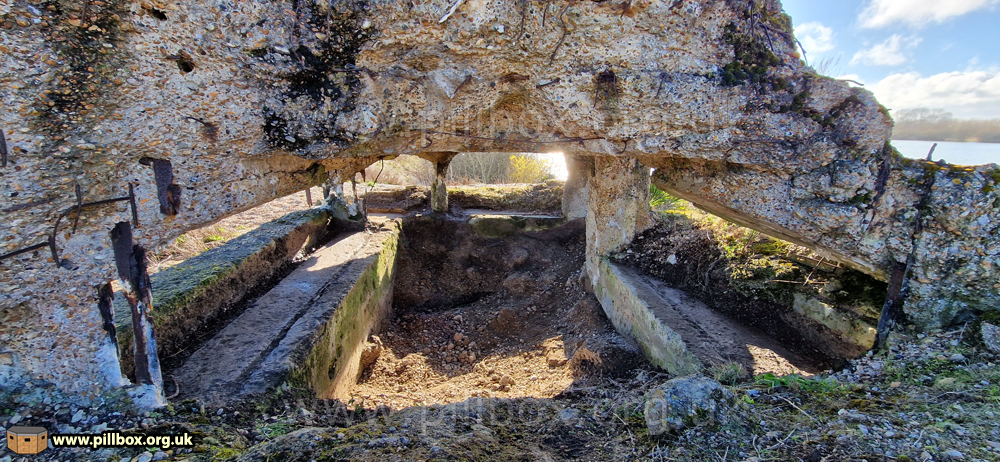
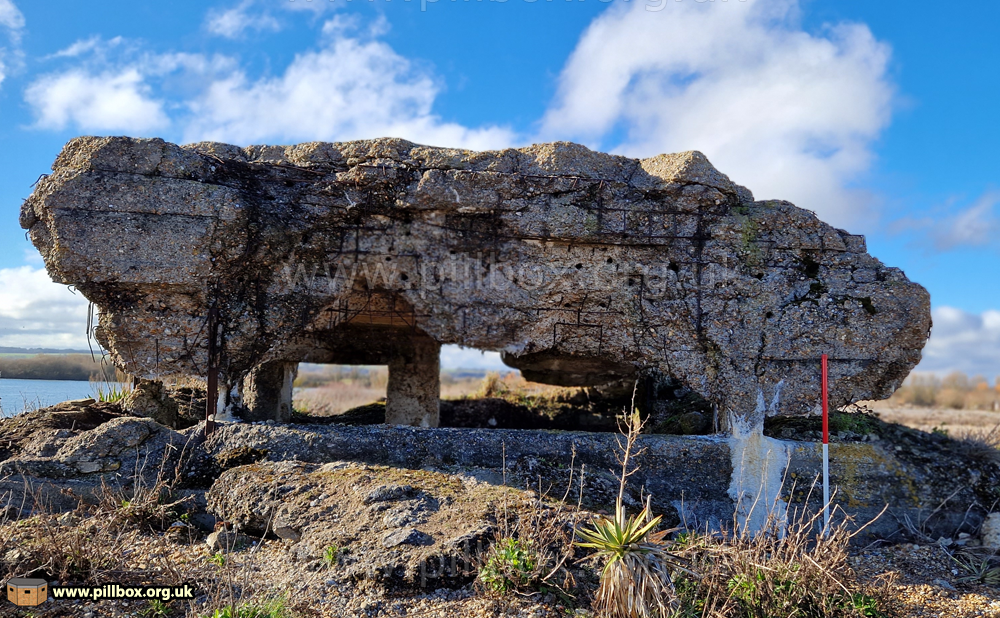
You'll get an idea of how the pillbox looks from the photographs; the interior was half full of rubble, making it impossible to stand upright inside. The first task was to dig a sondage (test pit) down through the rubble to establish the pillbox floor level. Although some progress was made with a lot of loose material being bucketed out and dumped onto a growing spoil heap outside, downward progress was slow. It was then that we discovered that the interior had been subject to a large amount of concrete being poured into it!
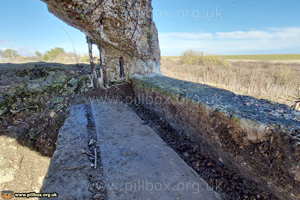
Puzzled, we began cleaning off what we had thought were piles of demolition rubble along all four outer walls. We discovered that these too, were actually also a later phase of concrete being poured. It seems that some of this concrete covers some of the damage, making it a later dumping event. This later concrete is tinted in red in some of the photographs.
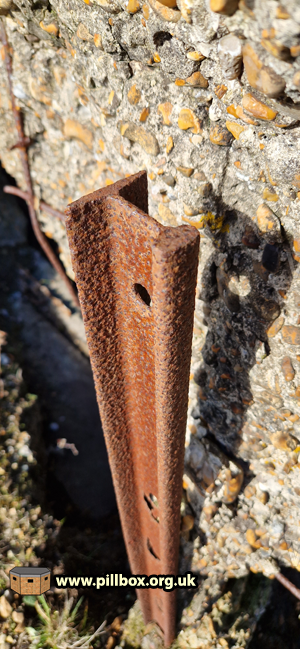
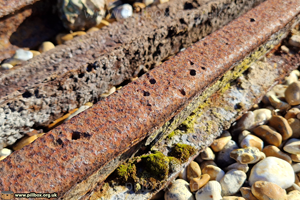
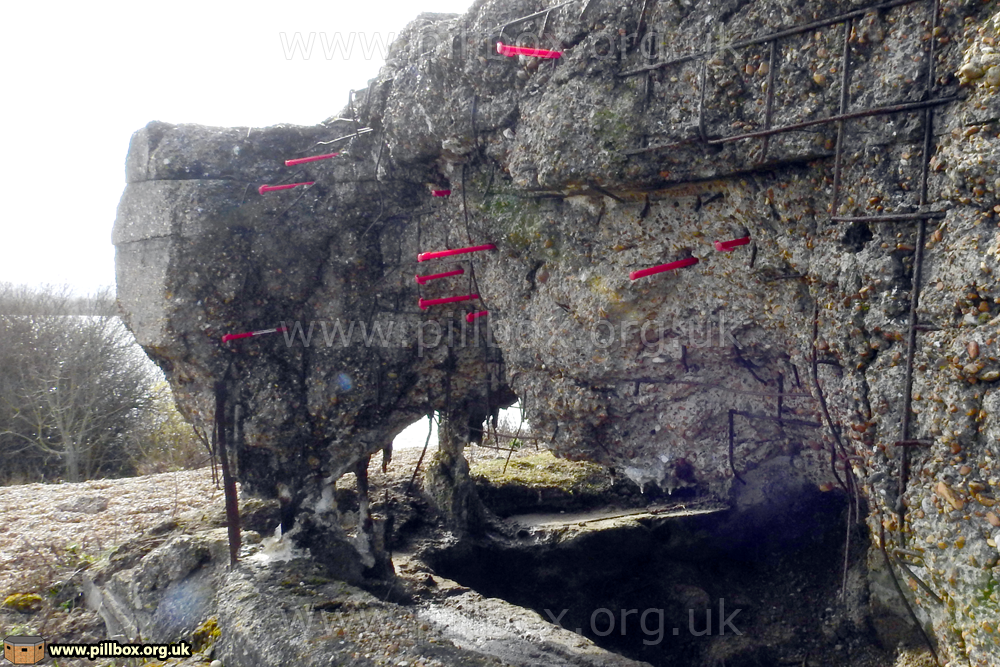
One interesting point of note was the inclusion of lengths of narrow-gauge railway track as reinforcement bar. There were numerous light railways in the area in 1940 and it is of no surprise that materials were salvaged and reused in defence works. Even today, similar rails are still used onsite as fenceposts.
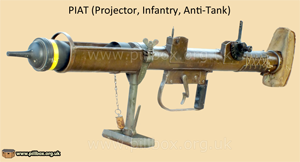
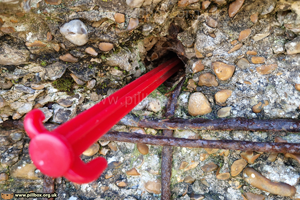
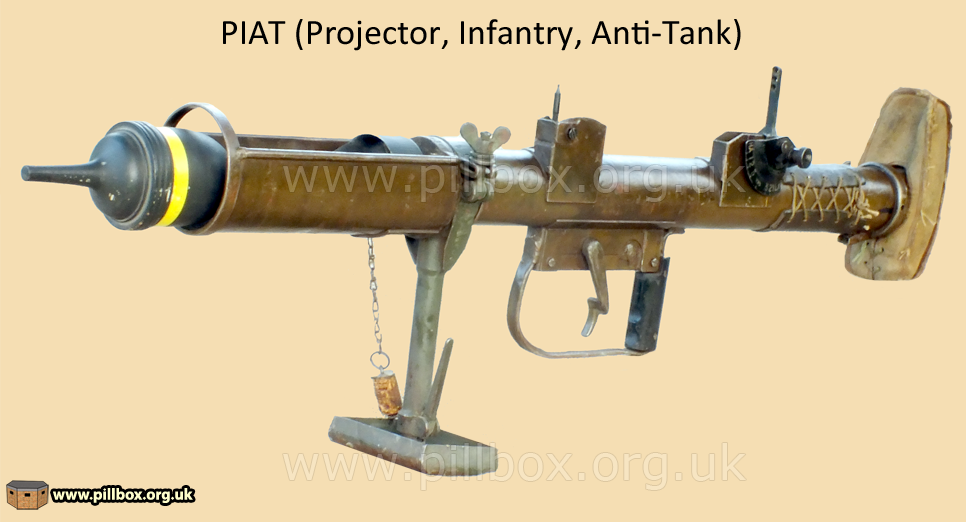
We then investigated a series of holes across all four faces of the pillbox. About 2cm diameter and varying depths of up to about 20cm, we counted almost 60 of them - see the photos with the red pegs. Returning to the "bazookas" idea, a pillbox elsewhere in Sussex bears similar holes - and documentary evidence proves that particular structure was subjected to tests using the PIAT (Projector, Infantry, Anti-Tank).
The theory at this time is that the damage to our pillbox was at least in part caused by PIAT rounds, probably as an exercise by British troops from perhaps early 1943 onwards. Abandoned pillboxes were also subject to demolitions training, so other forces may also be at work here. At some time between 1943-56, a large amount of concrete was dumped in and around the pillbox; by whom and to what end is not known.
Thanks to our volunteers for all their hard work; a future visit will involve recording the structure in detail, which may reveal more evidence of this pillbox's somewhat dramatic story!
Please note that this pillbox is in somebody's private garden and cannot be visited without the owner's permission.